The Essential Guide to Styling and Caring for Flatweave Kilim Rugs
Flatweave kilim rugs are among the most versatile, artistic, and enduring floor coverings available in interior design. Known for their intricate geometric patterns, rich historical origins, and signature flat construction, kilims bring a distinctive sense of character to any room. Whether you are aiming for a relaxed bohemian vibe, a warm rustic charm, or a balanced modern aesthetic, a well-chosen kilim can instantly elevate your space.
Because kilims lack the heavy pile of traditional hand-knotted rugs, styling and maintaining them requires a tailored approach. In this guide, we will explore how to effortlessly integrate handwoven kilim rugs into contemporary interiors and ensure they remain vibrant and beautiful for years to come.
What Makes Kilim Rugs Unique?
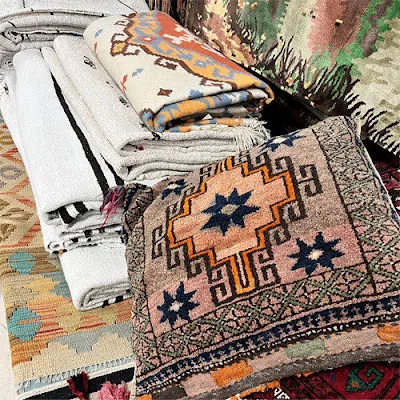
Unlike standard pile carpets created by tying knots onto a warp, kilims are crafted using a flatweave technique where the weft threads are tightly woven through the warp. This creates a lightweight, tapestry-like fabric that is often completely reversible. Because of this construction method, kilim patterns traditionally feature bold, angular geometry and geometric motifs that reflect the culture and heritage of the artisan weavers.
Their light profile makes them exceptionally adaptable. Kilims can serve as dynamic area rugs, wall hangings, table runners, or even accent pillow covers. When paired with soft, organic materials like natural linen, raw wood, and ceramic pottery, a kilim acts as an eye-catching focal point that grounds the entire room.
Styling Flatweave Kilims in Modern Spaces
Integrating a vintage or artisan kilim into a modern living space is easier than it might seem. The secret lies in balancing contrast and texture.
1. Pair with Natural Linen and Earthy Textiles
Kilims feature geometric sharpness and vibrant dye work, which pairs exceptionally well with soft, tactile textiles. Complement a warm-toned kilim rug with flax linen curtains, unbleached linen sofa slipcovers, or neutral throw pillows. The relaxed drape of natural linen softens the crisp lines of the rug, creating a cozy and balanced sanctuary.
2. Master the Art of Rug Layering
If you have a smaller kilim rug that you love, consider layering it over a larger, neutral foundation rug made of jute, sisal, or wool. Place a large woven natural fiber rug down first, and center your kilim on top. This technique creates visual depth, protects delicate vintage weaves, and allows you to fill a large seating area without sacrificing artistic expression.
3. Anchor Minimalist and Scandinavian Rooms
In modern minimalist or Scandinavian-inspired interiors dominated by white walls, clean wooden furniture, and neutral tones, a kilim rug brings necessary warmth and energy. Choose a rug with subtle muted tones or a monochrome geometric pattern to maintain a sense of calm while adding subtle historical charm.
"A handwoven kilim rug is more than just a floor covering; it is a piece of tactile art that connects modern living with ancient weaving traditions."
Essential Care and Maintenance for Kilim Rugs
Proper maintenance ensures that your flatweave kilim remains a cherished feature in your home for decades. Because they lack a dense pile, kilims require gentle, consistent care.
1. Vacuuming without the Beater Bar
Regular cleaning is essential to prevent dirt from settling deep into the flatweave fibers. However, traditional vacuum cleaners with rotating beater bars can snag and tear delicate weft threads. Always turn off the beater bar or use a gentle suction attachment. Vacuum both sides of the rug periodically, as many kilims are fully reversible.
2. Use a Quality Non-Slip Rug Pad
Because flatweave rugs are thinner and lighter than pile carpets, they can slip or bunch up easily on hardwood or tile floors. A high-quality non-slip rug pad is non-negotiable. It keeps the rug securely anchored, prevents tripping hazards, and provides cushion underfoot while reducing friction that can cause premature wear.
3. Handle Spills Immediately
When accidental spills happen, act quickly:
- Blot, never rub: Use a clean, dry white cloth or paper towel to gently press down and absorb the liquid. Rubbing spreads the stain and can distort the flatweave structure.
- Use cold water and mild soap: If necessary, dilute a tiny amount of mild, pH-neutral soap in cold water. Lightly dab the affected area with a damp cloth. Avoid harsh chemical cleaners or hot water, which can cause natural wool dyes to bleed.
- Air dry thoroughly: Allow the rug to air dry completely on both sides before laying it flat again. Keep it out of direct sunlight during drying to prevent color fading.
4. Rotate Regularly to Prevent Uneven Fading
Sunlight and foot traffic can gradually alter the appearance of natural wool dyes. Rotate your kilim rug 180 degrees every six to twelve months to ensure even wear and sun exposure, especially if it is placed near large windows.
Final Thoughts
Handwoven flatweave kilim rugs offer a timeless blend of craftsmanship, durability, and artistic expression. By thoughtfully pairing your rug with complementary textures like natural linen and providing gentle, routine care, your kilim will continue to enrich your home with color, comfort, and culture for generations to come.