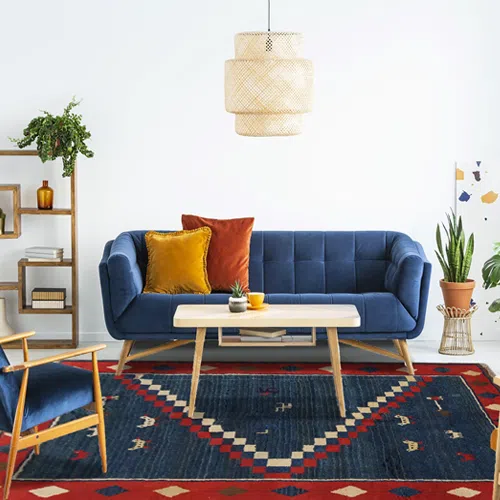
The Art of Gabbeh Rugs: Nomadic Storytelling and Soft Rustic Decor
In the world of artisan textiles, few hand-woven creations possess the raw charm and soulful narrative of the Gabbeh rug. Originally crafted by nomadic Persian tribes such as the Qashqai and Luri, Gabbeh rugs were historically woven not for luxury trade or royal palaces, but for everyday practical utility inside family tents. Their thick wool pile provided crucial insulation against harsh mountain climates, while their minimalist, folk-art compositions reflected the weaver's personal emotions, immediate surroundings, and traditional heritage. Today, Gabbeh rugs have captured the attention of modern interior designers, offering a seamless blend of primitive artistic expression and tactile luxury.
What Distinguishes a Traditional Gabbeh Rug?
Unlike intricately planned city carpets that feature delicate floral medallions and strict geometric symmetry, Gabbeh rugs are celebrated for their spontaneous, painterly quality. The word Gabbeh translates roughly to raw, natural, or unclipped, directly referencing the heavy, lush pile that sets these textiles apart. Woven with thick, hand-spun wool yarn and dyed using natural plant and mineral sources, Gabbeh rugs often showcase broad fields of saturated primary colors—including rich madder root red, deep indigo, warm saffron, and earthy terracotta—alongside naturally muted, undyed ivory and charcoal wools.
Decoding the Symbolism in Nomadic Motifs
When you introduce a Gabbeh rug into your space, you are inviting a piece of living history into your home. Every simple motif abstractly rendered across the dense pile carries meaningful symbolism tied to nomadic life and nature.
- The Tree of Life: Represents longevity, growth, and the connection between earth and sky.
- Goats and Farm Animals: Symbolize prosperity, abundance, and sustenance for the tribe.
- Human Figures: Often depict the weaver, family members, or life events, capturing moments of shared heritage.
- Geometric Borders: Serve as protective frames, enclosing the vibrant central narrative of the rug.
Harmonizing Gabbeh Rugs with Natural Linen
One of the most effective ways to integrate a Gabbeh rug into contemporary interior decor is by pairing its heavy, plush texture with light, organic linen fabrics. The contrast between the dense, insulating wool of the carpet and the crisp, breathable texture of pure washed linen creates a balanced atmosphere that feels both refined and comfortable.
Creating a Warm Minimalist Living Room
In a modern living room dominated by clean lines and neutral paint palettes, a colorful Gabbeh rug serves as an artistic anchor. Balance the vibrant primary fields or abstract color blocks of the rug by dressing surrounding sofas in relaxed neutral linen slipcovers. Complement the look with linen throw pillows in understated earth tones and airy, light-filtering linen curtains. The organic slub texture of linen softens the primitive weight of the wool rug, preventing the room from feeling heavy.
Building Cozy Reading Nooks and Accents
Smaller Gabbeh accent rugs are ideal for defining intimate zones within open-concept layouts. Position a deep indigo or soft rust Gabbeh beneath a natural wood accent chair dressed with a soft linen cushion. Incorporate a warm brass floor lamp and ceramic pottery to establish a serene sanctuary that highlights artisan craftsmanship.
Care and Maintenance for Long-Lasting Beauty
Constructed from resilient, lanolin-rich wool on durable hand-knotted looms, Gabbeh rugs are remarkably durable and well-suited for high-use living areas. To maintain their beauty over time, consider these straightforward care practices:
- Regular Vacuuming: Use a suction-only vacuum attachment without a harsh rotating beater bar to avoid pulling the thick wool loops.
- Prompt Spot Treatment: Blot liquid spills immediately with a clean, dry cloth using a gentle dabbing motion rather than rubbing the fibers.
- Periodic Rotation: Turn your rug 180 degrees every six to twelve months to encourage even wear and uniform sun exposure.
- Professional Cleaning: Schedule a professional wash with a specialist in hand-woven tribal textiles every few years to keep the pile vibrant and clean.
Crafted without written patterns or rigid grids, every authentic Gabbeh rug is an unrepeatable canvas of nomadic emotion, hand-spun texture, and organic beauty.
Whether you are designing a mid-century modern lounge, a Scandinavian minimalist bedroom, or a relaxed rustic dining space, pairing a hand-knotted Gabbeh rug with light linen accessories brings authentic warmth, character, and tactile luxury to your home interior.