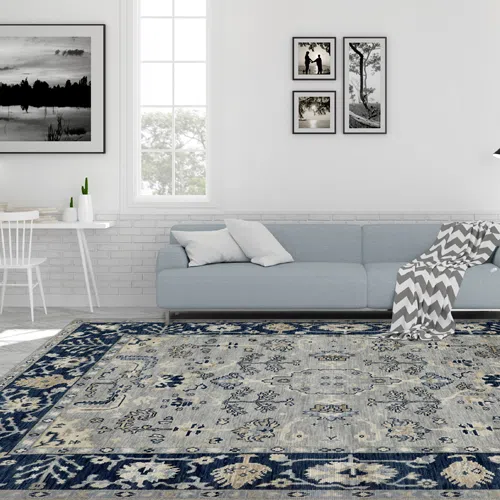
Anatolian Revival: Unearthing Timeless Turkish Heritage for the Modern Home
Understanding the Anatolian Revival Movement
In the world of curated interior design, few decor traditions evoke the deep sense of history and artisan beauty that Anatolian rugs provide. The Anatolian Revival represents a passionate renaissance of interest in vintage and antique hand-knotted textiles originating from Asia Minor, modern-day Turkey. Celebrated for their rich color palettes, primitive geometric motifs, and unmatched durability, these artisanal floor coverings are making a powerful return to modern homes. Rather than treating these rugs as relics of the past, contemporary homeowners and designers are integrating them into sleek, modern, and transitional spaces, creating a harmonious dialogue between historic craftsmanship and contemporary living.
At Rugs and Linen, we celebrate the raw, organic beauty of handmade creations. When paired with natural linen textiles, Anatolian Revival rugs introduce a layer of soulful texture that cannot be replicated by modern mass manufacturing. Understanding the history, symbolism, and styling potential of these remarkable rugs helps you curate a space that feels both grounded and deeply sophisticated.
The Rich Heritage of Anatolian Weaving
Anatolia has served as the historic heartland of rug weaving for thousands of years. Positioned at the crossroads of Asia and Europe, the region developed a distinct weaving identity influenced by nomadic tribes, royal Ottoman workshops, and local village artisans. Unlike uniform factory-made carpets, traditional Anatolian rugs were woven entirely by hand using hand-spun wool and natural, botanical dyes derived from roots, berries, and plants.
What sets Anatolian rugs apart is their expressive, symbolic language. Weavers embedded their personal stories, hopes, and spiritual beliefs into every knot. Common motifs include:
- Elibelinde (Hands on Hips): A universal symbol of motherly love, fertility, and protection.
- Ram's Horn (Kocboynuzu): Representing strength, heroism, and masculine power.
- Tree of Life (Hayat Agaci): A classic motif symbolizing eternity, spiritual growth, and the connection between earth and sky.
- Running Water (Akar Su): Signifying the crucial importance of life-giving water in nomadic life.
The Anatolian Revival honours these ancient symbolic traditions while adapting vintage pieces through careful washing, distressing, or subtle color neutralization to align with modern architectural sensibilities.
Why Anatolian Revival Rugs Fit Modern Interiors
Modern interior aesthetics are shifting away from sterile minimalism toward warm, tactile environments. The Anatolian Revival directly answers this desire for authenticity. Here is why these timeless textiles continue to capture the imagination of interior enthusiasts:
1. Unmatched Architectural Character
Whether featuring vibrant terracotta and indigo dyes or faded pastel hues, Anatolian rugs possess a distinct visual geometry. Their bold medallion designs and intricate borders ground a room, providing an anchor for both minimal and eclectic furniture pieces.
2. Sustainable Craftsmanship
Choosing an Anatolian Revival rug is an environmentally conscious decision. Many of these rugs are decades old, professionally washed, reclaimed, and given a second life. Investing in hand-spun, natural wool rugs keeps authentic craftsmanship alive while reducing the waste associated with synthetic flooring.
3. Natural Synergy with Organic Linen
The tactile weight of a hand-knotted wool rug creates a stunning contrast when paired with soft, breathable linen. In a bedroom or living area, combining the structured, geometric warmth of an Anatolian floor covering with relaxed linen drapes, throw pillows, or bedcovers builds a multi-layered, inviting sensory experience.
Styling Tips: Bringing Anatolian Revival into Your Home
Integrating a piece of Turkish history into your living space is surprisingly versatile. Here are elevated ways to style these heritage treasures:
- Create an Organic Living Room Sanctuary: Place a large Anatolian rug as the foundational anchor beneath a clean-lined neutral sofa. Complement the rug's earthy tones with unbleached linen accent cushions and warm timber furniture.
- Layer Textures in the Dining Area: A low-pile Anatolian rug under a solid wood dining table provides warmth underfoot while resisting heavy chair movement. Pair the setup with a draped linen tablecloth for an effortlessly refined dining ambiance.
- Elevate the Bedroom Experience: Frame your bed with an Anatolian runner on either side, allowing the soft wool texture to greet your feet each morning. Layer your bed with enzyme-washed linen sheets in stone, olive, or warm cream tones to echo the rug's natural dye palette.
Anatolian Revival is not merely a design trend; it is an appreciation for human touch, historical narrative, and enduring natural materials.
Caring for Your Anatolian Rug
Because Anatolian Revival rugs are woven from high-quality wool, they are naturally resilient and stain-resistant. To preserve their heritage beauty for generations:
- Rotate Regularly: Turn your rug 180 degrees once a year to ensure even wear and light exposure.
- Vacuum Gently: Use a suction-only vacuum setting without a harsh beater bar to protect the delicate hand-knotted fibers.
- Address Spills Immediately: Blot liquid spills using a dry, clean linen cloth; avoid rubbing the pile to prevent fiber damage.
By bringing an Anatolian Revival rug into your home, you invite a rich legacy of Turkish artistry into your daily routine—creating a space filled with warmth, character, and timeless elegance.