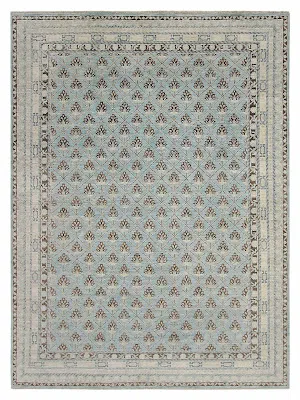
A Guide to Khotan Rugs: History, Motifs, and Styling Silk Road Treasures
Nestled along the southern edge of the Taklamakan Desert at the crossroads of ancient trade routes, the historic oasis city of Khotan produced some of the world's most visually intriguing textiles. Khotan rugs represent a fascinating artistic bridge between Eastern and Western design traditions. If you are seeking a rug that offers soft, sun-washed color palettes, geometric elegance, and deep historical storytelling, the Khotan rug is an exceptional choice for contemporary interiors.
The Unique Heritage of Khotan Rugs
For centuries, Khotan was a vital stop on the Silk Road, where merchants, artisans, and travelers exchanged goods and cultural ideas. This unique geographic positioning allowed local weavers to absorb artistic influences from China, Persia, Turkey, and Central Asia. The result was a distinctive weaving tradition that stands apart from standard Persian or Chinese carpets.
Traditionally handcrafted with a soft wool pile woven onto a cotton warp, Khotan rugs are renowned for their subdued, mineral-rich tones. Over decades, natural dyes made from madder root, pomegranate rind, and indigo mellow into peaceful shades of warm cream, dusty terracotta, soft sage, slate blue, and pale gold. This gentle coloration gives vintage Khotan rugs their signature relaxed luxury.
Key Motifs and Design Elements to Recognize
Identifying a Khotan rug comes down to recognizing its iconic repertoire of symbolic motifs. Unlike the dense, tightly woven floral grids of traditional Persian rugs, Khotan designs feel open, airy, and structured.
1. The Pomegranate Pattern
Perhaps the most famous motif in Khotan weaving is the pomegranate tree. Representing fertility, prosperity, and abundance, stylized pomegranate branches often rise from vases or spread rhythmically across the central field, laden with ripe, ruby-like fruits.
2. Trefoil and Multiple Medallions
Rather than featuring a single large central medallion, Khotan weavers often arranged two or three delicate roundels or angular medallions in a vertical line along the center of the rug. These medallions frequently contain Buddhist or Taoist symbols, such as lotus blossoms or cloud motifs.
3. Silk Road Borders
The framing borders of Khotan rugs showcase an extraordinary hybrid of styles. You will often see Chinese key-fret and wave patterns paired alongside stylized Persian floral vines, creating a harmonious frame that unifies the composition.
Why Khotan Rugs Excel in Modern Interior Design
Interior designers frequently turn to Khotan rugs when looking to add warmth and soul to a room without introducing overpowering contrast. Because these rugs lean heavily on muted neutrals, weathered warm tones, and geometric spacing, they integrate seamlessly into a wide range of aesthetic philosophies.
In modern minimalist and Japandi spaces, a Khotan rug adds necessary texture and historic patina without disrupting the serene atmosphere. In layered transitional or eclectic homes, its sophisticated blend of graphic and organic shapes serves as an anchoring centerpiece that unifies disparate furniture styles.
How to Style a Khotan Rug in Your Home
Integrating a Khotan rug into your living space is about creating balance between historic textiles and contemporary comfort. Here are several practical ways to bring one into your home decor:
- Pair with Natural Linen and Raw Wood: The earthy, mineral tones of a Khotan rug pair effortlessly with relaxed flax linen upholstery, warm oak tables, and woven rattan accents.
- Anchor an Architectural Living Room: Place a large Khotan rug beneath a low-profile sectional sofa to soften clean structural lines while maintaining an uncluttered look.
- Create a Peaceful Bedroom Sanctuary: The gentle color palette of Khotan textiles makes them ideal for bedrooms. Lay one partially under the bed to extend soft comfort and subtle artistry underfoot.
- Introduce Subtle Contrast to Dark Floors: The warm ivory and pale blush fields common in Khotan designs pop beautifully against dark walnut or charcoal stained flooring.
Caring for Your Khotan Rug
An authentic Khotan rug is more than a floor covering—it is a piece of living textile history that grows richer with age when cared for properly.
To preserve the beauty of your rug for years to come, keep these simple maintenance guidelines in mind:
- Vacuum with Care: Use a suction-only setting or a canister vacuum without a rotating beater bar to avoid pulling the delicate hand-knotted fibers.
- Rotate Regularly: Rotate your rug 180 degrees once or twice a year to ensure even wear and prevent uneven fading from direct sunlight.
- Address Spills Promptly: Blot spills immediately with a clean, dry white cloth. Avoid harsh chemical cleaners; instead, use lukewarm water and a small drop of mild wool-safe detergent if necessary.
Whether you are designing a calm, neutral living room or curating a home filled with unique global finds, a Khotan rug brings effortless refinement, historic warmth, and understated elegance to any space.